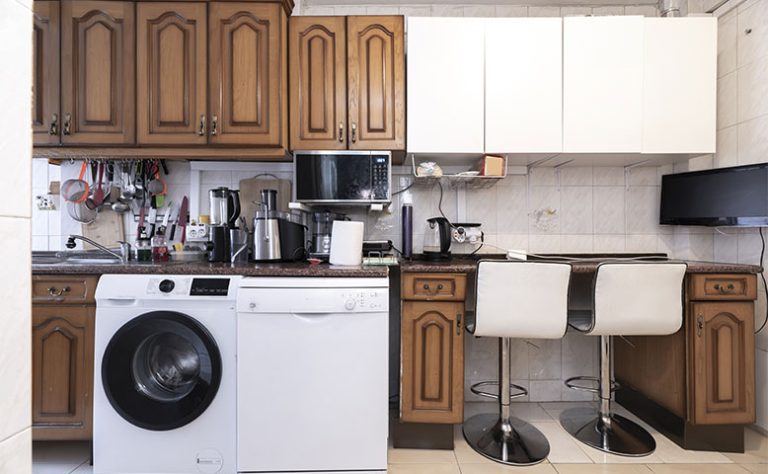
Some things make life easier, and most people don’t even notice—until they’re suddenly gone, like having the washer right where it’s actually needed. When the machine’s just a few steps from your bedroom or bathroom, laundry day gets way less annoying. No heavy baskets going up and down stairs, and no more leaving a load in the basement and forgetting about it altogether.
That’s one reason more folks are rethinking where the washer and dryer go. But even with that change, there’s one big worry hanging around—can it really be safe to stick a washer on the second floor?
This is where comfort meets caution. You don’t have to choose between convenience and safety. It’s all about planning the setup the right way from the beginning. If it’s done well, having laundry upstairs can work just fine.
Why People Are Putting Washers Upstairs Now
Laundry rooms used to be hidden away in garages or dark basements. Now? Setting up is going upstairs, closer to the bedrooms, in more and more cases. No, it’s not just a design issue. It’s about cutting down on steps, time, and not having to take a week’s worth of clothes down two flights of stairs.
It’s much easier to do things when the washer is only a few feet away from where you take off your clothes. You’ll likely wash your clothes more often because it won’t hurt as much. You don’t dread doing it because it’s just part of your habit.
What’s Really at Risk Upstairs
There are some things that could go wrong if you put a washer upstairs. It only takes one tiny leak to damage the floor and the room below it. Don’t forget about the shaking either. When washing machines spin, they make noise that can damage walls and floors if the area isn’t stable.
There is a risk, but that doesn’t mean it’s a bad idea. It’s easier to avoid trouble when you know what could go wrong. It’s not about being stressed out, but about being ready. And anyone who owns a home can do that with a little extra work.
Let’s Talk About That Floor
The floor’s function isn’t merely to hold the washer up. It also has to deal with all the movement that comes with each load. Washing machines tremble. They are great. And if the floor is weak or old, that movement will cause problems, such cracks and squeaks that get worse with time.
A few simple upgrades can make a big difference in this situation. Adding floor supports, anti-vibration padding, or making the floor thicker are all things that assist a lot. These little improvements not only keep your equipment safe, but they also keep your house safe and make it more comfortable in the long run.
Let’s Be Real About Leaks
Water has a peculiar way of finding its way where it shouldn’t, especially when it’s on the second floor. If a washer leaks, it won’t just get the laundry floor wet—it’ll drip through the ceiling, ruin drywall, and possibly even damage wiring.
That’s why it’s smart to take a few steps :
- Use strong, braided hoses instead of old-school rubber ones
- Set the washer in a pan that can catch any water
- Add a shutoff valve that’s easy to reach
- Place a sensor nearby that warns you if moisture shows up
Doing this kind of preparation prevents small leaks from becoming major problems.
Dealing With All That Noise
Let’s be honest. Washers don’t exactly hum quietly. And when they’re spinning up on the second floor, it can feel like a jet engine if the room isn’t insulated. Those sounds go right through floors and walls, and if someone’s sleeping or working nearby, it gets annoying.
But fixing the noise isn’t hard. Anti-vibration pads help stop the shaking. Adding a bit of insulation to the walls reduces the sound. And if you’re buying a new washer soon, many models are designed to be significantly quieter than older ones.
Being Ready Without Freaking Out
You don’t need to expect a significant problem—but it’s smart to be ready just in case. Most of the time, washer issues begin with minor problems. A slow drip. A strange sound. Or a drain that’s not clearing as fast as usual.
A simple monthly check can save you a lot of money later:
• Look over the hoses for cracks or bulges
• Check for any rust or water around the washer tray
• Listen for weird banging or humming
• Clear out the filter or drain trap if it’s clogged
It only takes five minutes. And trust me, it’s worth it to catch problems before they get out of hand.
So Why Are People Still Doing This?
People still do their laundry upstairs, even though it’s dangerous. And to be honest, it makes sense. It is hard to carry bags up and down stairs, especially when you’ve had a long day. When your washer is close by, it changes how the whole house works.
From now on, starting a load isn’t such a big deal. It’s as easy as getting the basket and throwing the clothes in it. It’s also easier to fold when everything is in one place. That kind of ease of use stays with you, which is why so many people are changing things.
Final Thoughts
Doing laundry on the second floor isn’t a brand-new concept; it’s just a better way to handle a daily job. You can have it all without any doubts if you plan well, get a few extra tools, and take care of yourself every once in a while. Every home has its own flow. When laundry fits into that flow without leaks, noise, or stress, things feel easier. Whether you’re fixing up an older home or starting from scratch, second-floor setups can work just fine.
At Ivan’s Appliances Services, we’re all about helping you make good choices that last. When your space works better, life gets better too. Simple as that.